The 2015 proposal
Abolish inter-state trade barriers to create a uniform national market with easy movement of goods.
Where it stands in 2026
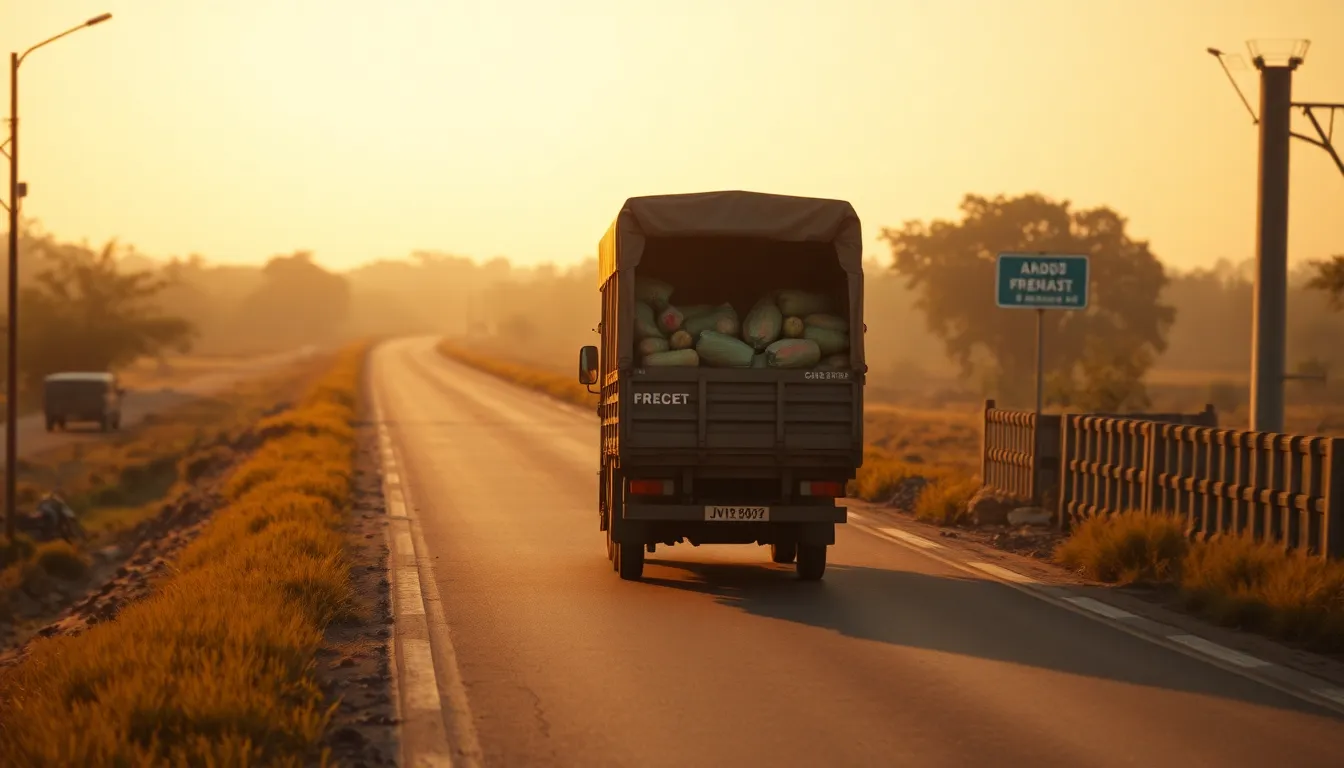
GST (2017) dissolved the inter-state fiscal barriers that once made moving goods across a state line a taxable event, and the e-way bill digitised the movement itself — together, essentially the single national market the deck asked for on the tax side. A truck no longer halts at a state border to settle a cascade of local levies. What remains is that agricultural marketing law did not move in step: produce that travels freely under GST can still hit a wall of differing state mandi rules and fees.
The open gap
Agricultural marketing itself remains a state subject.
How to sustain & deepen it
Finish the job on the marketing side: a model market-fee framework that clears across states (see #17), so the single market GST created fiscally also exists for agricultural trade in practice. Adopt the EU single-market principle already cited here — goods lawfully cleared once should move freely thereafter — through the inter-state council and the centre’s model APLM Act. Keep the e-way bill and ULIP rails interoperable so compliance is one digital step, not fifteen state forms. The fiscal border is gone; the regulatory one for farm produce is what’s left to remove.
Where it sits in the chain
See the full map →Depends on
Nothing — this is a foundation the rest are built on.
Sources
- ↗ GST e-way bill system — Goods & Services Tax Network
- ↗ Agricultural Policy Monitoring and Evaluation 2023 — India — OECD, 2023
- ↓ Internal Trade Barriers in India — Working paper (Barnwal, Dingel, Iurchenko, Krishna, Van Leemput), 2023
- ↗ The internal market: general principles — European Parliament (Fact Sheets on the EU), 2024
- ↗ Know About GST: One Nation, One Tax, One Market — Central Board of Indirect Taxes & Customs, Government of India, 2017