The 2015 proposal
Authorised dealers with dealer codes, e-scales and cashless online transactions, empowered to issue warehouse cash receipts.
Where it stands in 2026
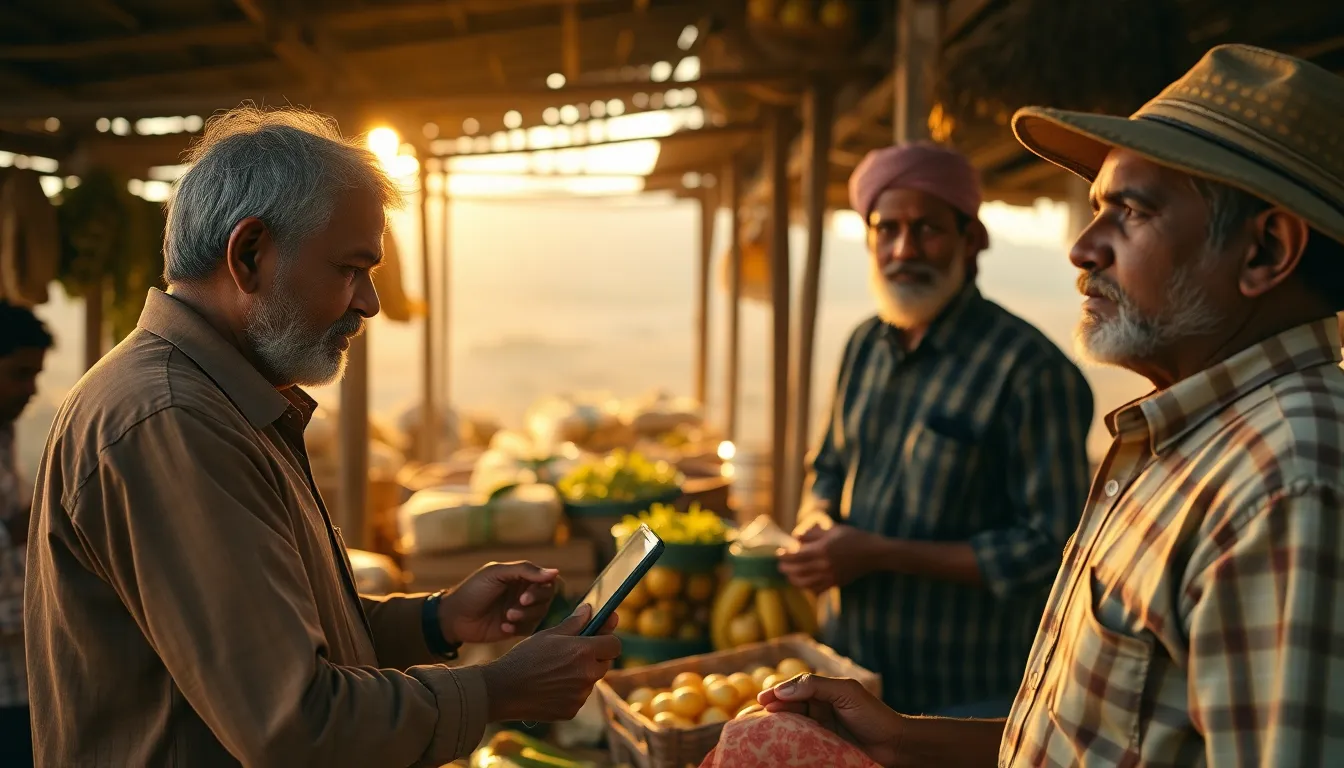
The e-NAM unified trader licence is the deck’s ‘authorised dealer code’ made real — one registration that lets a vetted trader operate across linked mandis, with about 2.72 lakh traders enrolled. It puts a verified identity and a transaction trail behind the buyer the farmer is selling to. The limit is that a large parallel trade still happens outside the mandi, off the record, where neither price nor counterparty is captured.
The open gap
Unlicensed trade outside mandis still persists.
How to sustain & deepen it
Pull parallel trade into the record by making the licensed channel the cheapest and easiest way to transact, not by trying to police the alternative. One-tap onboarding, instant guaranteed payment and licence-linked tax credits make the registered route the rational default; the unrecorded trade shrinks because the recorded one is simply better. Keep the licence genuinely portable across states so a trader needs one identity, not fifteen, and tie it to the e-weighment and assay record so every authorised deal is also a trusted one. Formalisation works best when it is the path of least resistance.
Where it sits in the chain
See the full map →Depends on
Enables
Sources
- ↗ e-NAM (National Agriculture Market) — Ministry of Agriculture & Farmers' Welfare
- ↓ Digitising payments in agricultural value chains: the revenue opportunity to 2025 — GSMA Mobile for Development, 2020
- ↗ Case studies on efforts to digitalize payments in agri-food value chains — CGIAR / IFPRI, 2025
- ↓ Agricultural Reforms in India — Indian Public Policy Review, 2020
- ↓ The State/UT Agricultural Produce & Livestock Marketing (Promotion & Facilitation) Act, 2017 (Model Act) — Directorate of Marketing & Inspection, Government of India, 2017