The 2015 proposal
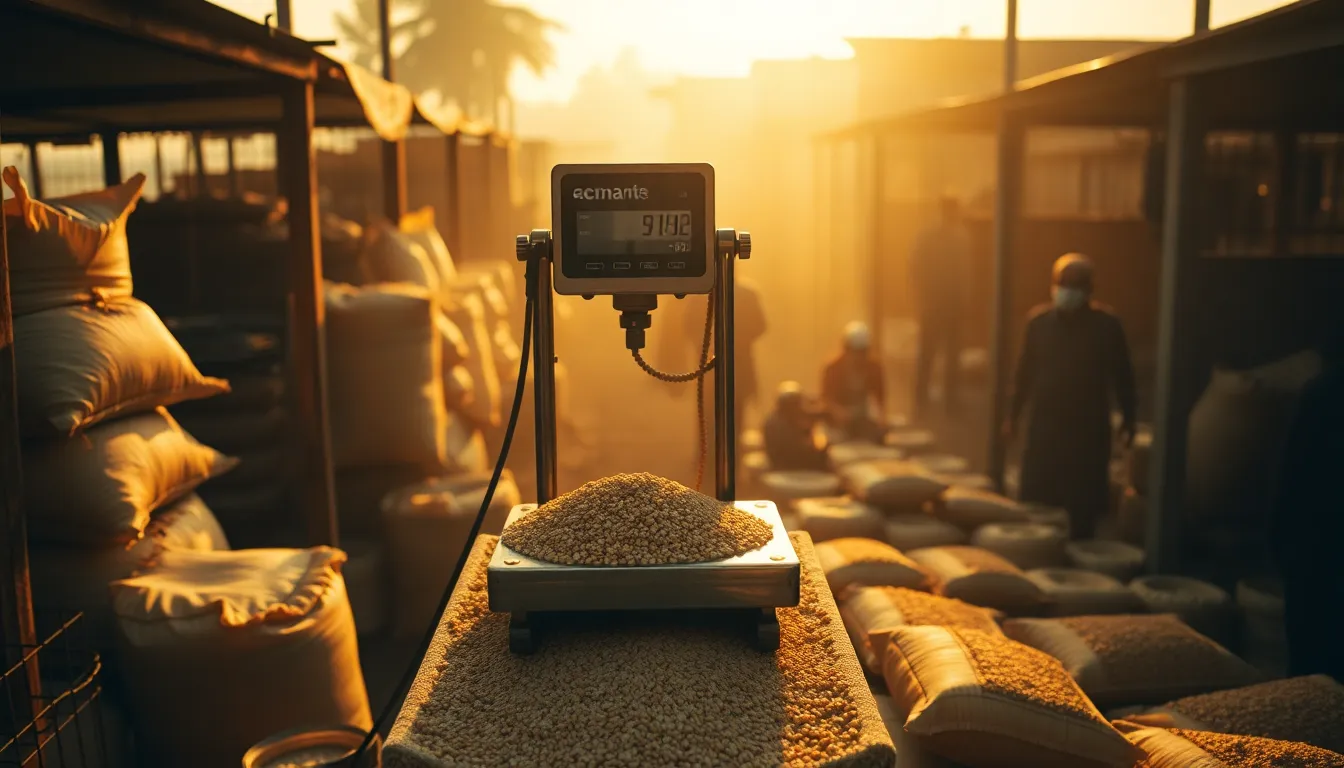
Locked electronic scales, activated by swiping dealer and Kisan cards, recording every weighment to a central database.
Where it stands in 2026
Realised inside the e-NAM mandi workflow, which turned the weighbridge into a record: gate entry, a unique lot ID, electronic weighment, quality assaying, e-auction and direct bank payment to the farmer’s account. The deck’s point was never the scale itself but the database behind it — a tamper-resistant weight and quality reading the farmer and a distant buyer can both trust — and that is what the integrated workflow delivers. Where it runs, the farmer is no longer at the mercy of a hand-tilted balance and a cash settlement.
The open gap
Coverage is limited to integrated mandis.
How to sustain & deepen it
Extend the gate-weigh-assay-pay workflow beyond the fully-integrated mandis to every regulated market and, crucially, to the FPO collection centre and the village aggregation point — so price discovery and a trusted weight don’t stop at the mandi gate. Keep the weighbridges calibrated and the readings auditable so the data stays trustworthy, and link each e-weighment to the lot’s assay and warehouse receipt so one record follows the produce. The win is a farmer paid for exactly what they delivered, at a weight no one can quietly shave.
Where it sits in the chain
See the full map →Sources
- ↗ e-NAM (National Agriculture Market) — Ministry of Agriculture & Farmers' Welfare
- ↓ Information from Markets Near and Far: Mobile Phones and Agricultural Markets in Niger — American Economic Journal: Applied Economics, 2010
- ↗ Digitalization in the European agri-food supply chain: a scoping review of traceability, transparency, and sustainability — Frontiers in Blockchain, 2025
- ↗ Market transparency in the agri-food supply chain — European Commission, DG Agriculture and Rural Development, 2024
- ↓ Electronic National Agricultural Market (e-NAM): A Review of Performance and Prospects — Directorate of Economics & Statistics, DA&FW, Government of India, 2021