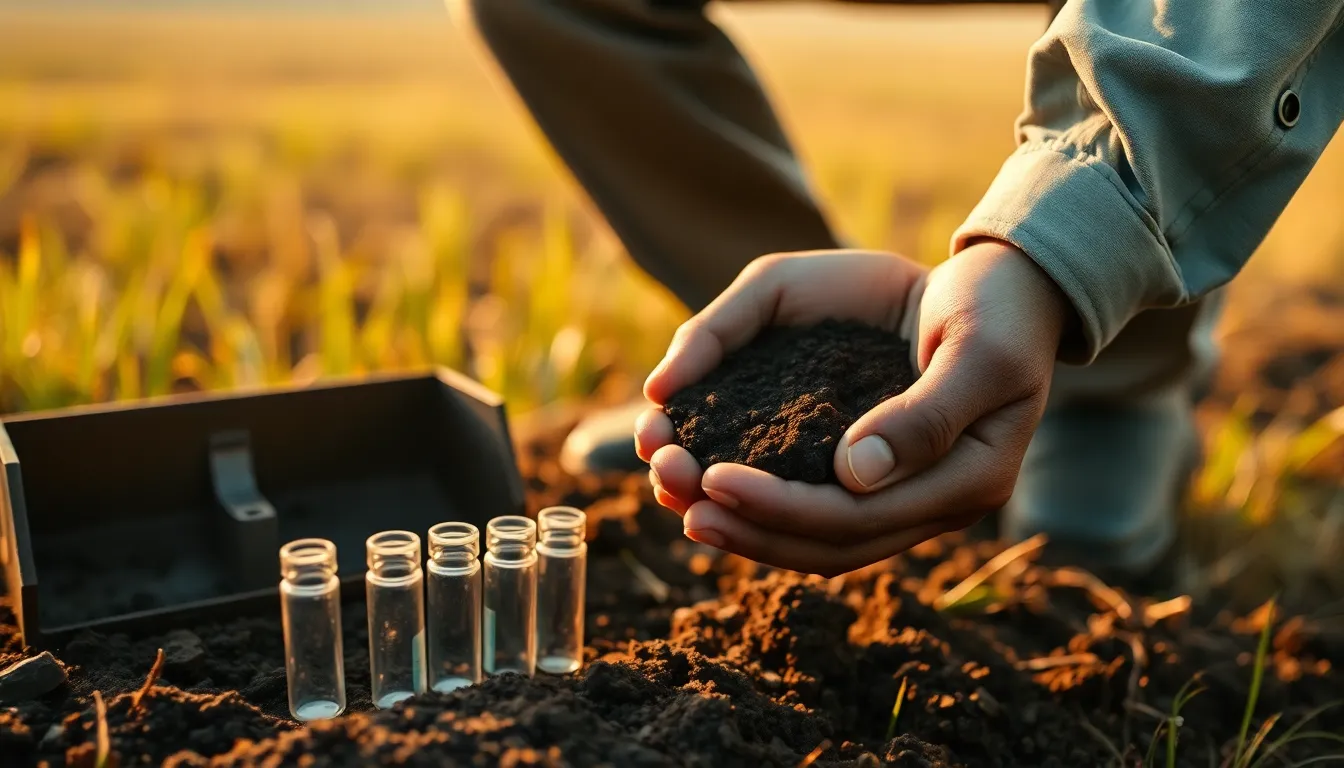
The 2015 proposal
An independent soil-testing authority — advanced labs including micronutrients, coded samples to avoid bias, annual online reports on the card, and village-to-national soil maps.
Where it stands in 2026
Realised as the Soil Health Card scheme — biennial testing of NPK and key micronutrients through a national lab network, with results on an online portal and roughly 25 crore cards issued — now reinforced by the Digital Agriculture Mission’s 1:10,000 soil mapping. But the hard evidence (IFPRI; Food Policy) carries a warning the deck would recognise: a card in the farmer’s hand changes almost nothing unless the advice on it is simple, in the local language, crop-specific and tied to actually getting the right input. Testing was the easy half; turning a reading into a changed practice is the hard half.
The open gap
The advisory gap — turning readings into action, in the farmer's own language.
How to sustain & deepen it
Close the last mile between the lab and the field. Auto-translate every Soil Health Card reading into a plain, local-language, crop-specific fertiliser and amendment dose — the Cockpit’s soil decoder does exactly this — and tie that dose to input access so the recommended bag is one the farmer can actually buy nearby. Keep the testing cycle current and the lab network quality-audited so the numbers stay trustworthy, and measure success by changed fertiliser practice and restored soil health, not by cards printed. The evidence is unambiguous: readings alone don’t move behaviour; readings turned into a simple, reachable action do.
Where it sits in the chain
See the full map →Sources
- ↗ Soil Health Card scheme — Dept. of Agriculture & Farmers' Welfare
- ↓ Impact of Soil Health Card on the Use of Chemical Fertilizers — Centre for Development Economics, Delhi School of Economics, 2018
- ↗ Global Soil Laboratory Network (GLOSOLAN), Global Soil Partnership — FAO, 2023
- ↗ Deficiency of phyto-available sulphur, zinc, boron, iron, copper and manganese in soils of India — Scientific Reports (Nature), 2021
- ↗ A comprehensive review of the soil health status for enhancing agricultural sustainability — Frontiers in Environmental Science, 2025