The 2015 proposal
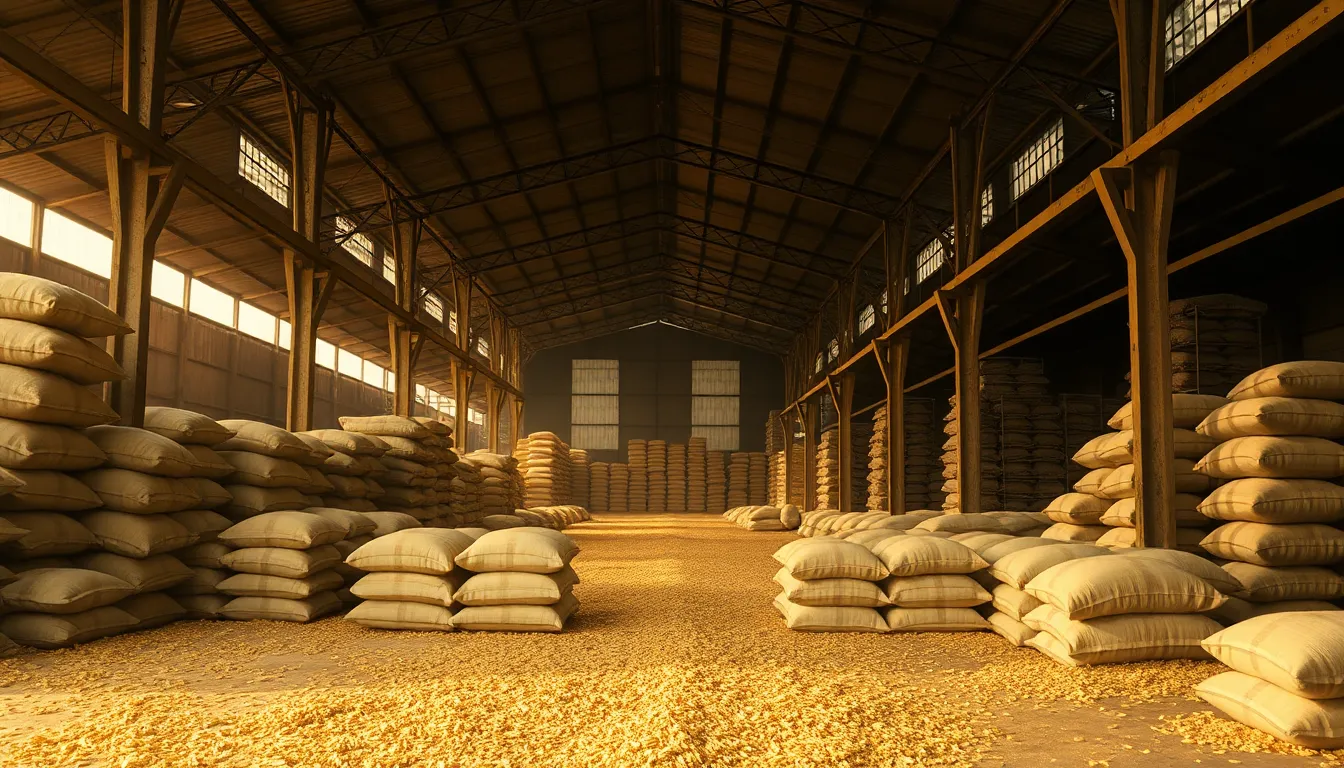
Spatially distributed warehouses and cold storage with a computerised warehouse-management system, warehouse cash receipts and full traceability; revive rural granaries.
Where it stands in 2026
Realised through WDRA regulation and the electronic Negotiable Warehouse Receipt — a digital, pledgeable title to stored grain held in NERL/CDSL that a farmer can borrow against and a buyer can take delivery against — backed by the ₹1 lakh-crore Agriculture Infrastructure Fund financing decentralised storage and cold chains. This is what breaks the distress sale: a smallholder can store at harvest, raise credit against the receipt, and sell when the price recovers rather than dumping at the post-harvest low. The grain warehouse is largely solved; the perishables cold chain is the frontier.
The open gap
Village-level cold chain for perishables still lags; traceability is lot-level, not grain-level.
How to sustain & deepen it
Push the decentralised cold chain down to the village for perishables, using the Agriculture Infrastructure Fund, so the farmer who grows tomatoes or milk gets the same store-and-wait option the grain farmer now has. Move from lot-level to batch-level traceability inside the warehouse so a receipt certifies not just quantity but quality and provenance, making it better collateral and better delivery. Keep the eNWR liquid — accepted by every lender and honoured on every exchange — so ‘store, pledge, sell when the price is right’ is a real choice for the smallest farmer, not only the large one.
Where it sits in the chain
See the full map →Sources
- ↗ WDRA — Warehousing Development & Regulatory Authority (eNWR) — Govt. of India
- ↓ Designing Warehouse Receipt Legislation: Regulatory Options and Recent Trends — FAO (Agricultural Finance Revisited), 2009
- ↓ Warehouse Receipts: Facilitating Credit and Commodity Markets — World Bank, 2007
- ↓ The role of warehouse receipt systems in enhanced commodity marketing and rural livelihoods in Africa — Food Policy (Elsevier), 2002
- ↓ Sustainable Food Cold Chains: Opportunities, Challenges and the Way Forward — FAO and UNEP, 2022